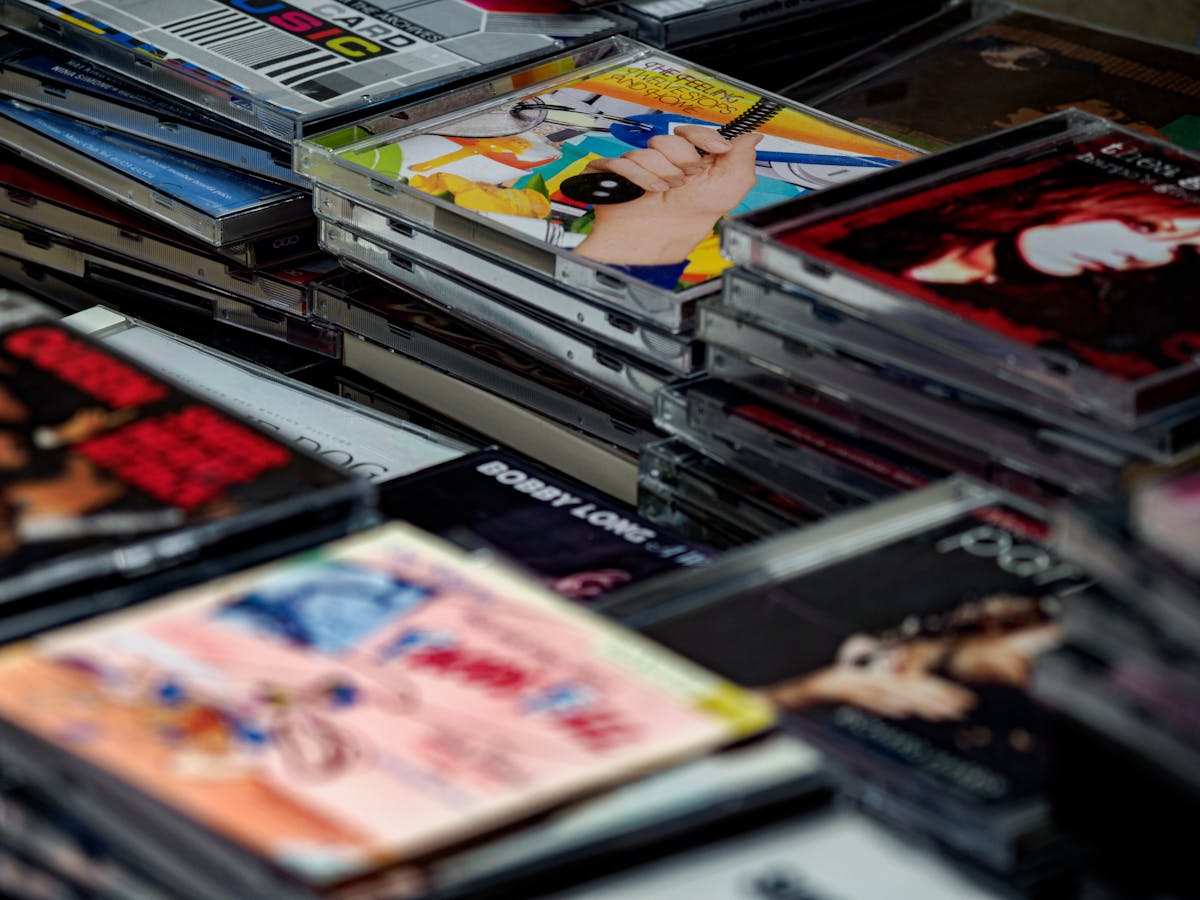
The market for C-idol merchandise is booming — and so is the counterfeit trade. Fake photocards, replica lightsticks, and knockoff albums flood online marketplaces, often sold at prices close enough to genuine items that buyers do not question them. Learning to distinguish authentic merchandise from imitations is one of the most important skills a collector can develop.
Print Quality and Paper Stock
The most reliable way to identify a fake photocard is by examining its physical properties. Official photocards use high-quality cardstock with a specific weight and texture. Hold a genuine card between your fingers: it should feel substantial, not flimsy. The edges should be cleanly cut with no rough fibers.
Print quality on authentic cards is sharp and consistent. Colors are saturated and well-balanced. Counterfeit cards often exhibit slightly desaturated colors, a bluish or yellowish tint compared to the original, and visible dot patterns when viewed under magnification. The image may appear softer overall, as if it were printed from a low-resolution scan of the genuine card.
Compare the card you are evaluating against verified authentic images from fan databases. Many C-pop fan communities maintain high-resolution scans of every official photocard release, which makes side-by-side comparison straightforward.
Packaging and Sealing Details
Albums and merchandise sets come in packaging designed to look attractive and feel premium. Authentic albums use specific shrink-wrap with consistent tension. The cellophane should be tight and even, without bubbles or wrinkles. Some releases include a small tear strip or a specific seal placement that counterfeiters rarely replicate exactly.
Examine printed text on the box or sleeve. Official merchandise uses precise typography with clean kerning. Counterfeit packaging frequently has minor spacing errors, slightly different fonts, or blurry small text — especially in the copyright notices and credits printed on the back.
Weight can also be telling. If you know the weight of a genuine album from fan databases, weigh the one you received. Significant discrepancies suggest different materials were used.
Holographic Elements and Security Features
Many official albums and merchandise include holographic stickers, embossed logos, or UV-reactive elements as anti-counterfeiting measures. These features are expensive to replicate, so fakes often either skip them entirely or use crude approximations.
Genuine holographic stickers shift color smoothly as you tilt them and display sharp, well-defined patterns. Fake holograms tend to look flat, with muddy color transitions and blurry details. Some authentic items embed microtext within the holographic element that is only readable under magnification — a feature almost never reproduced in counterfeits.
Seller Verification and Red Flags
The seller is often as telling as the product. Be cautious of sellers offering large quantities of rare or limited-edition items at suspiciously low prices. Genuine limited-edition photocards are scarce by definition — if someone has dozens of them, something is off.
Look for sellers who provide their own photographs rather than stock images. Request close-up photos of the item including edges, back, and any holographic or embossed details. A legitimate seller will have no problem providing these.
Check whether the seller is an authorized retailer. Official distributors are usually listed on the idol's agency website or social media. Buying from authorized channels eliminates the risk entirely, though it may cost more than secondary market prices. For guaranteed authentic merchandise from artists like Liu Yuning, Zhang Linghe, Xiao Zhan, and Zhao Lusi, shop at Pandafame — a trusted source available on eBay and Shopee.
Lightstick and Accessory Authentication
Fake lightsticks are especially common because they are high-value items with strong demand. Authentic lightsticks connect to the official app via Bluetooth and respond to concert signals. If a lightstick cannot pair with the app or does not respond correctly, it is almost certainly a replica.
Build quality also differs. Official lightsticks use clear, bubble-free acrylic or polycarbonate for the light housing. The LED array inside distributes light evenly. Fake versions may have visible seams, uneven light, or a noticeably lighter weight. The battery compartment and screw quality are another giveaway — genuine items use precise machining, while replicas often have rough mold lines.
What to Do If You Receive a Fake
If you suspect you have received counterfeit merchandise, document everything with photographs and contact the seller immediately. On platforms like Xianyu, Shopee, or eBay, you can open a dispute and request a refund. Include your comparison photos as evidence. For more context on how drama-related merch ties to specific C-idol releases, check out drama reviews on CDramaPedia.
Report the listing to the platform so that other buyers are protected. Many fan communities also maintain blacklists of known counterfeit sellers — sharing your experience helps the entire collecting community.
Prevention is always better than remediation. Buy from trusted sources, ask questions before purchasing, and develop your eye for quality over time. Every experienced collector has been burned at least once — the goal is to learn from the experience and become a sharper buyer.
Skip the guesswork. Pandafame sells only verified authentic C-idol merchandise — photocards, albums, lightsticks, and accessories from Liu Yuning, Zhang Linghe, Cheng Yi, and more. Available on eBay (international shipping) and Shopee (Indonesia).